
How to Choose the Right Watch Strap: Leather, Rubber, or NATO
Choosing the right watch strap
A strap can completely change the look, comfort, and purpose of a watch. The best choice depends on your watch, wrist, climate, and how you plan to wear it.
Leather
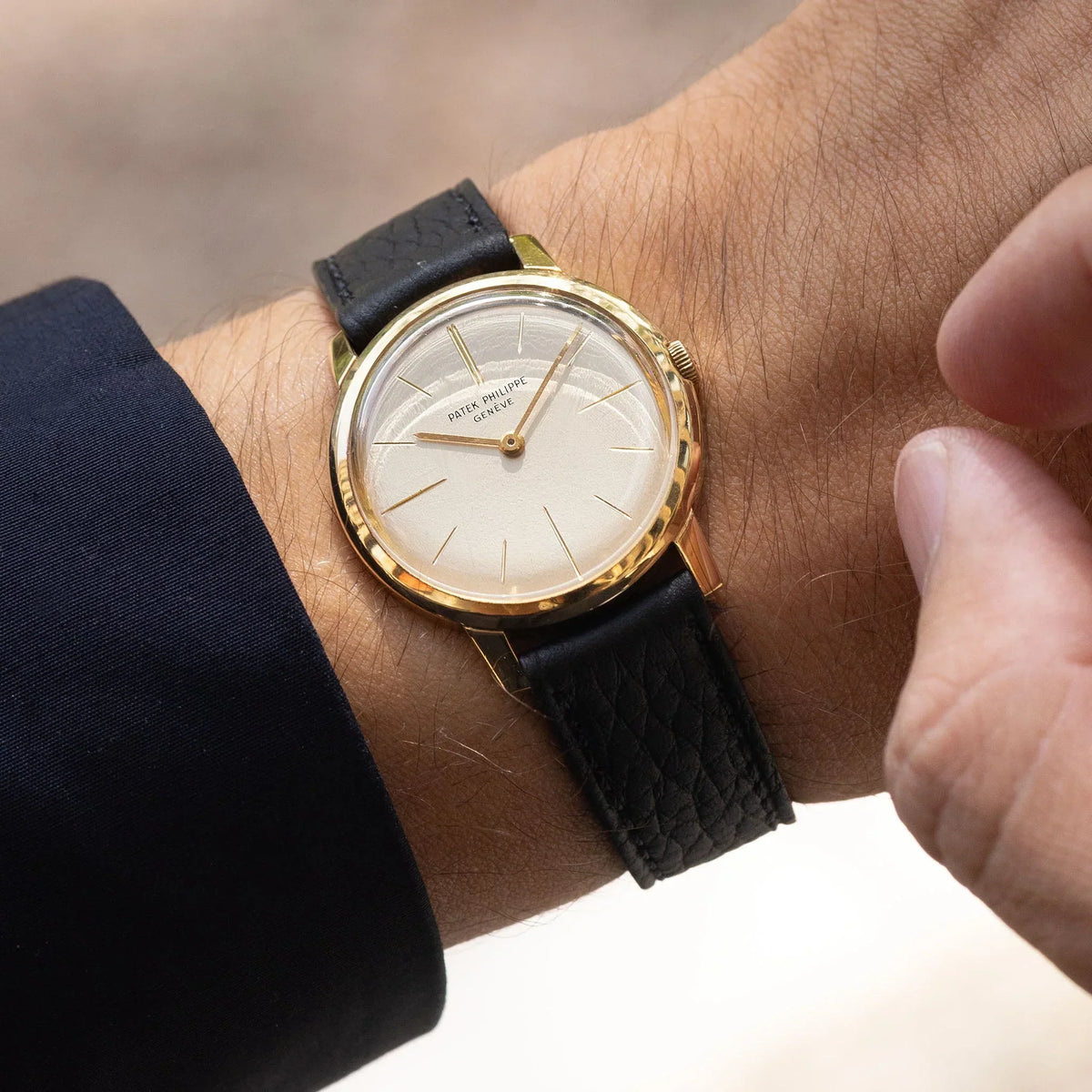
Leather is a classic choice for dress watches and everyday wear. It offers a refined look and breaks in over time, but it is less suitable for swimming, heavy sweat, or very humid conditions.
Rubber
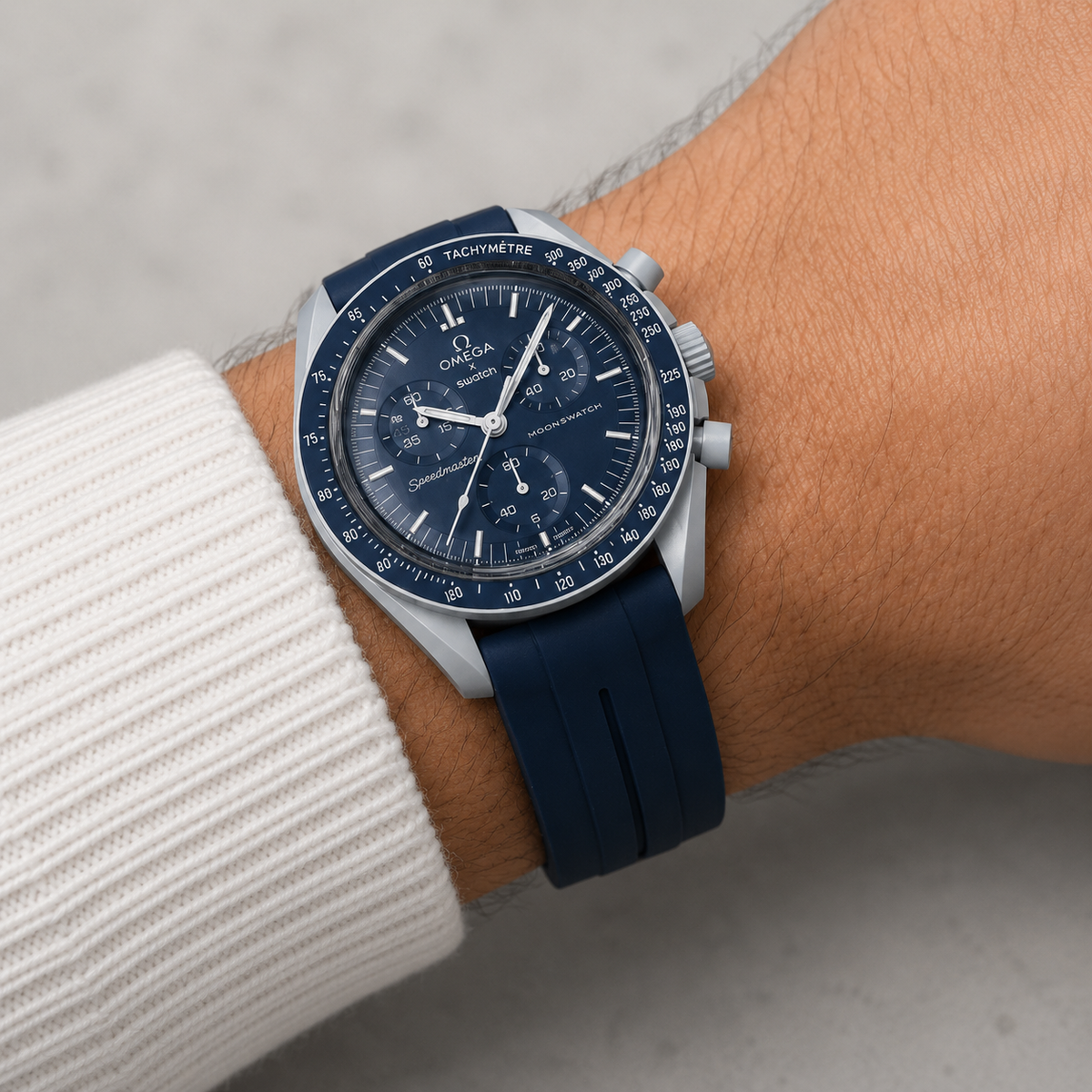
Rubber and FKM-style straps are practical for sports, warm climates, and water-resistant watches. They are easy to clean and usually handle moisture better than leather.
NATO-style straps
NATO-style straps are lightweight, casual, and easy to swap. They can add security because the watch remains attached if one spring bar fails, though the extra fabric may add thickness under the wrist.
Check the lug width
Measure the distance between the watch lugs in millimeters. Common sizes include 18 mm, 20 mm, and 22 mm, but integrated-bracelet watches may require model-specific straps.
Match the strap to the watch
Consider case color, dial color, thickness, and intended use. A slim dress watch may suit leather, while a dive or sport watch often pairs better with rubber or fabric.
Always confirm exact compatibility before ordering a replacement strap.